Custom CRM
Accounts, opportunities, requirements, quotations and approvals designed for complex B2B sales.
Explore Custom CRM →Custom B2B Software Development
I design and build Laravel-based systems that automate quoting, orders, inventory, approvals, subscriptions and integrations—without forcing your team into generic software.
Requirements follow real records, decisions and exceptions.
Server-rendered applications with maintainable domain logic.
Validation, retries, idempotency and visible reconciliation.
Project source code, deployment notes and practical documentation.
Services
Each engagement starts with the operational constraint. The service category describes the main system boundary; related CRM, ERP, SaaS and integration work can be delivered together when the workflow requires it.
Accounts, opportunities, requirements, quotations and approvals designed for complex B2B sales.
Explore Custom CRM →Order, procurement, inventory and production workflows with clear controls and traceability.
Explore Custom ERP →Multi-tenant Laravel products with subscriptions, permissions, onboarding and dependable operations.
Explore SaaS Development →Observable data exchange between CRM, ERP, portals, finance tools and partner systems.
Explore API Integrations →Operational outcomes
The outcome is defined against the current workflow. No generic percentage or deadline is promised before the relevant data and constraints are understood.
Reduce conflicting customer, product, order or stock information across teams.
Validate and carry structured data forward instead of retyping it between tools.
Show failed integrations, overdue approvals and operational discrepancies to the people who can act.
Preserve who approved, changed or corrected a commercially important record and why.
Case studies
Detailed examples of the constraints, system boundaries and implementation choices behind the work.
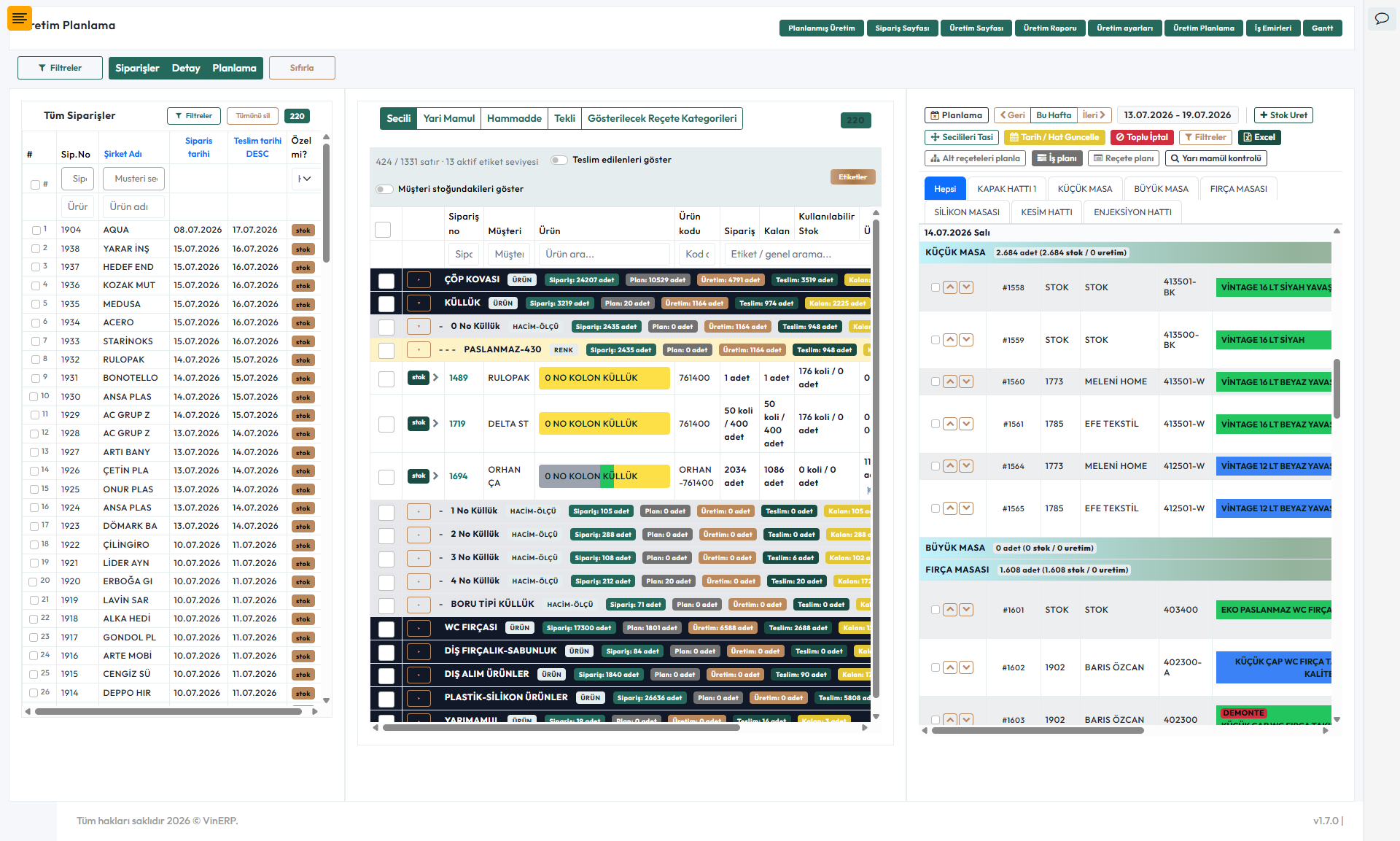
A manufacturing case study showing how disconnected sales, stock, purchasing and finance workflows were moved into a documented ERP foundation.
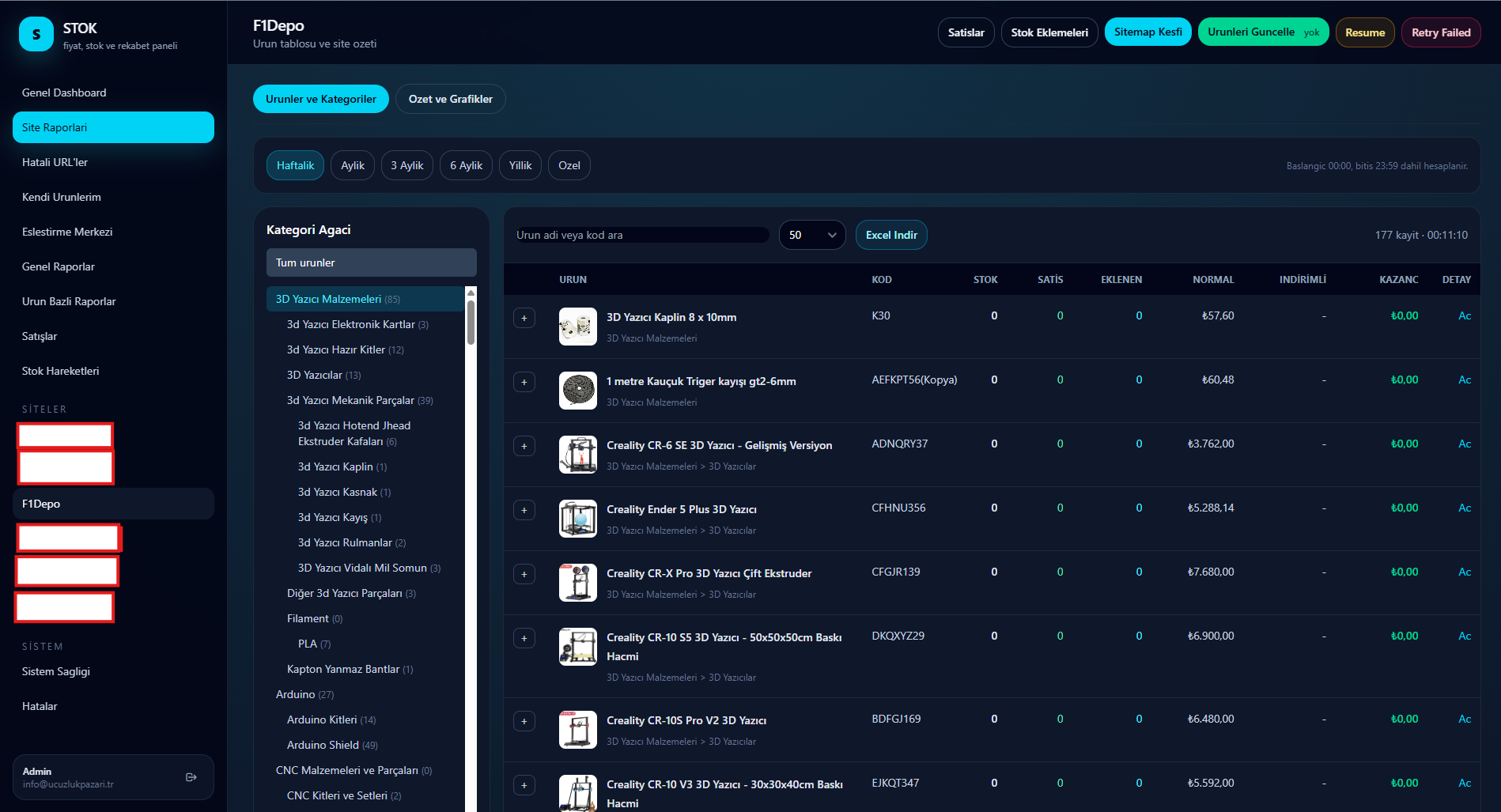
Read Case Study →A private B2B application that normalizes product, price and stock observations across sources, preserves history and supports controlled product matching and comparison.
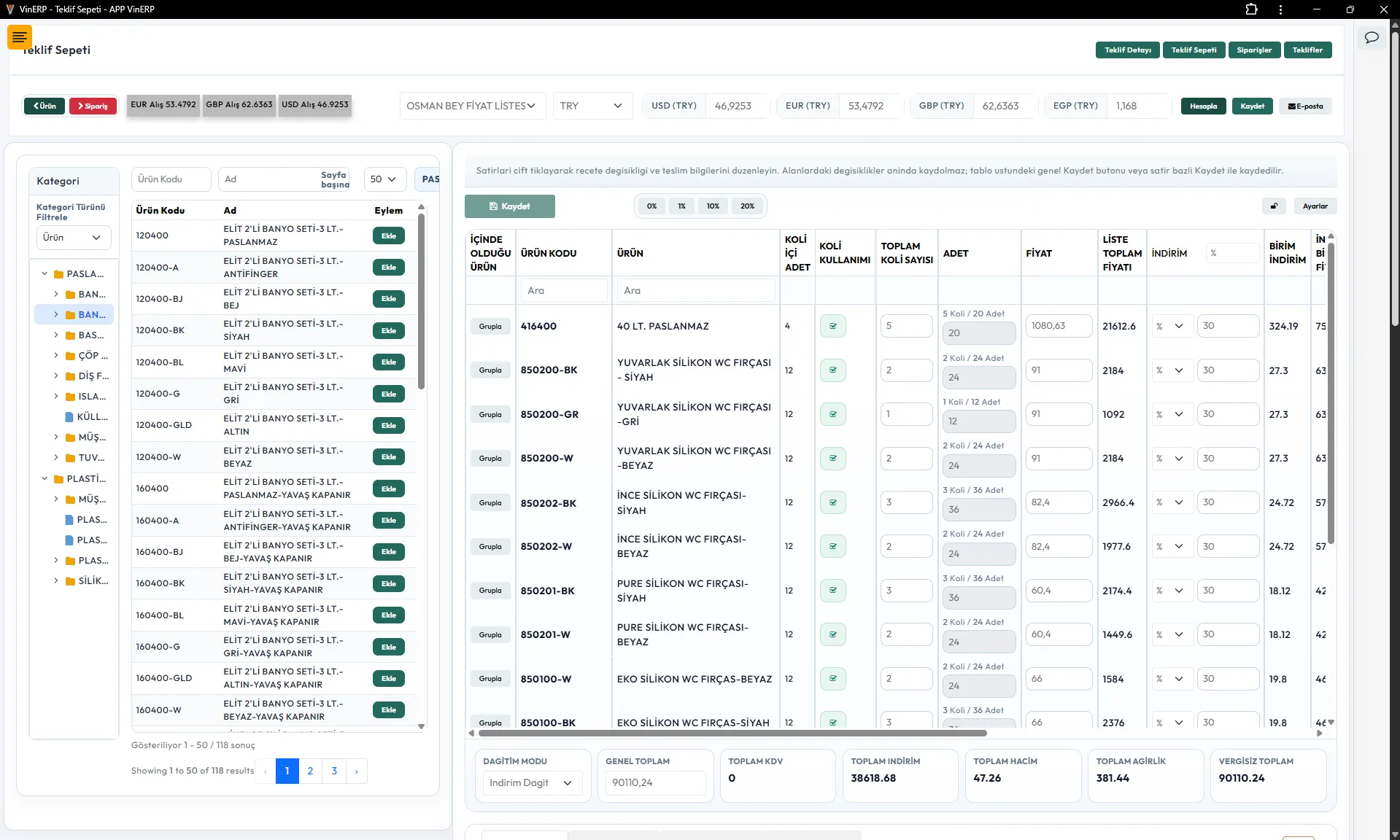
Read Case Study →A reference architecture for structured RFQ intake, technical review, quote versioning, commercial approval and an idempotent ERP order handoff.
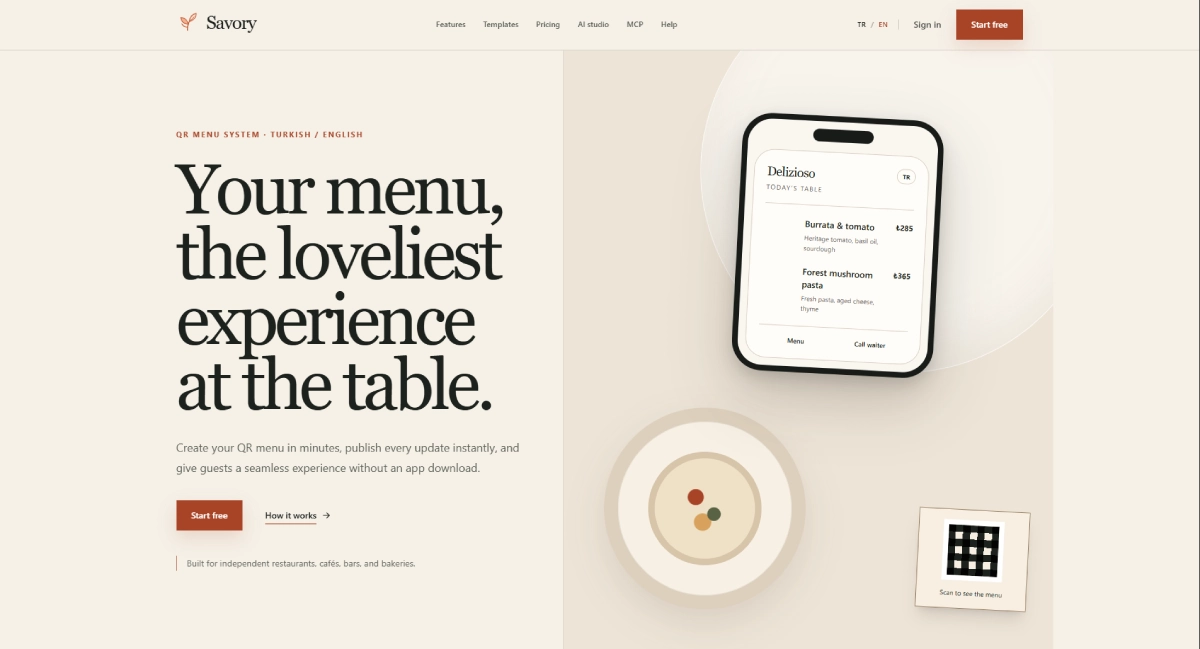
Read Case Study →Savory Cafe is a multi-tenant digital management platform for F&B businesses. It delivers real-time order processing, catalog operations, dynamic entitlements, and location-aware spatial services with PostGIS for seamless cafe and restaurant management.
Read Case Study →Delivery process
Map representative records, users, rules, exceptions, data ownership and existing systems.
Agree the first complete workflow, acceptance criteria, dependencies and exclusions.
Release in small slices, test critical rules and review with the people who use the process.
Rehearse migration, deploy, verify operations and document the system for its next owner.
Technical delivery
Technology choices are documented against the workflow and operating environment. Laravel is the usual application foundation; third-party platforms remain where they are the better source of truth.
FAQ
Custom development is usually justified when a workflow is commercially important, spans several systems or depends on rules that generic software cannot support without repeated workarounds. Discovery should still compare configuration and integration options before a build is recommended.
Yes. The first step is to define which system owns each record and how failed or delayed updates will be reconciled. Existing systems can remain authoritative while a custom application connects the workflow around them.
A representative workflow is mapped from start to finish, including users, approvals, exceptions, data ownership and integrations. The first release is the smallest complete path that creates an operationally useful result.
Handover includes source code, deployment and operational documentation appropriate to the project. Ongoing maintenance can be agreed separately, or the system can be transferred to an internal or third-party development team.
Share the current process, the systems involved and the result the team needs. I will reply within one business day with focused questions and a practical next step.
Insights
Automate manufacturing RFQ workflows from intake and technical review through quote revisions, margin approval and ERP-ready order handoff.
By Tuğrul Yıldırım
Design a B2B order tracking portal with customer-facing status mapping, shipment events, notifications, documents and exception handling.
By Tuğrul Yıldırım
Use this 2026 B2B ordering portal requirements checklist to plan ERP integration, customer pricing, catalogs, approvals, inventory, and order tracking.
By Tuğrul Yıldırım