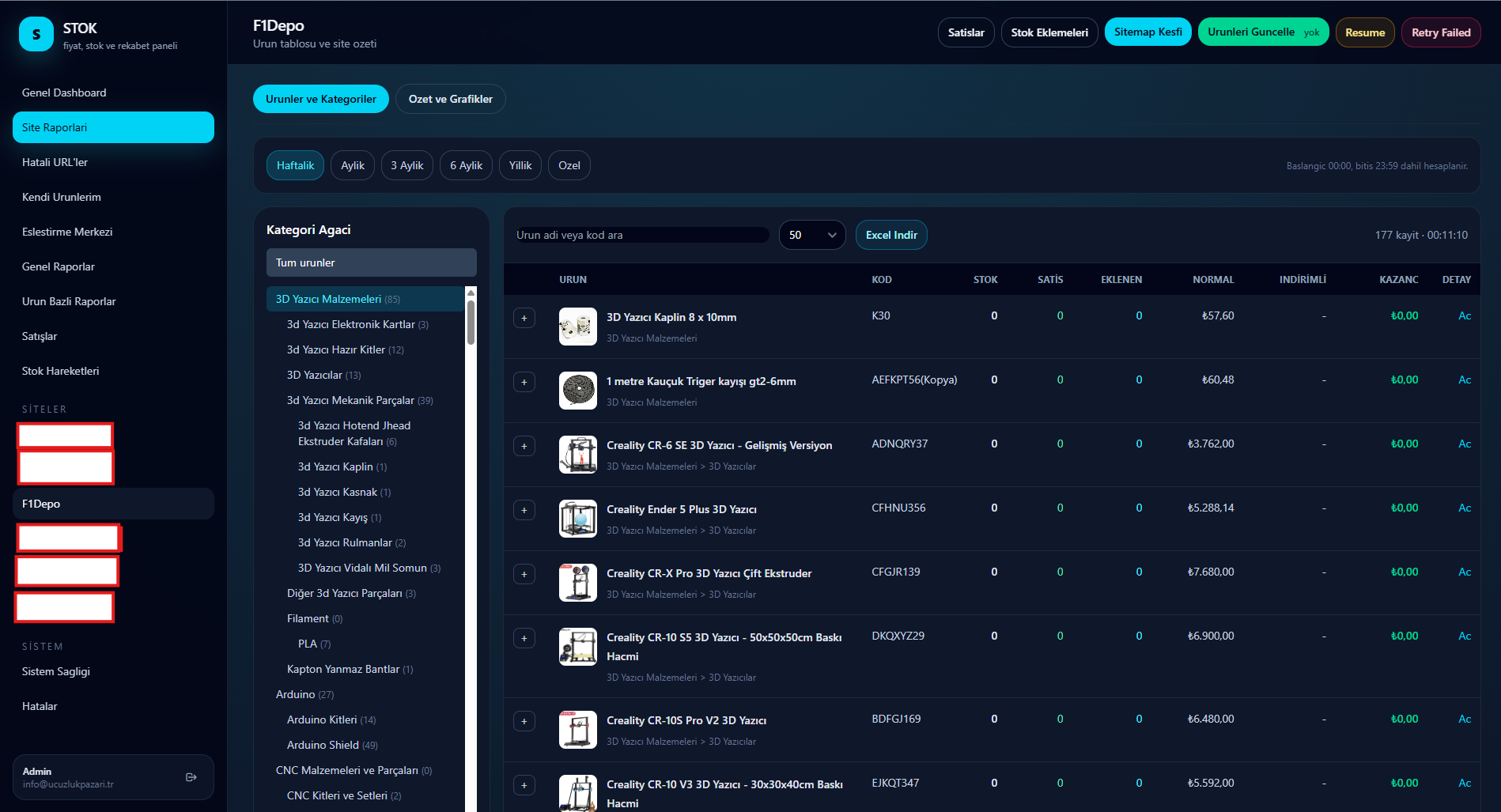
B2B Product Intelligence & Stock Monitoring Platform
A private B2B application that normalizes product, price and stock observations across sources, preserves history and supports controlled product matching and comparison.
You should be able to evaluate the work before committing to a project. The evidence here is practical: detailed case studies, working public products where access is available, free diagnostic tools, dated technical writing and a delivery process with explicit boundaries.
The portfolio separates delivered systems from reference architectures. External links only appear when they lead to a publicly reachable destination; private repositories and unavailable deployments are not presented as public proof.
Each case describes the records, workflows, roles, system boundaries and technical decisions that can be discussed responsibly. A reference design is labelled as such instead of being presented as a customer result.
Where a product is open to visitors, its live destination is linked from the case study. A private source repository may still exist, but it is not shown as a public link unless anonymous access has been checked.
The integration health check and iPaaS-versus-custom TCO calculator produce an immediate result without registration. They also show how assumptions and decision rules are made visible in a real interface.
Articles include an author, publication date and implementation detail. You can follow new writing through the public RSS feed without creating an account.
Open the RSS feed →These examples show different kinds of product and operational work. Read the case before following any external destination; the case explains what the project demonstrates and what remains private.
A private B2B application that normalizes product, price and stock observations across sources, preserves history and supports controlled product matching and comparison.
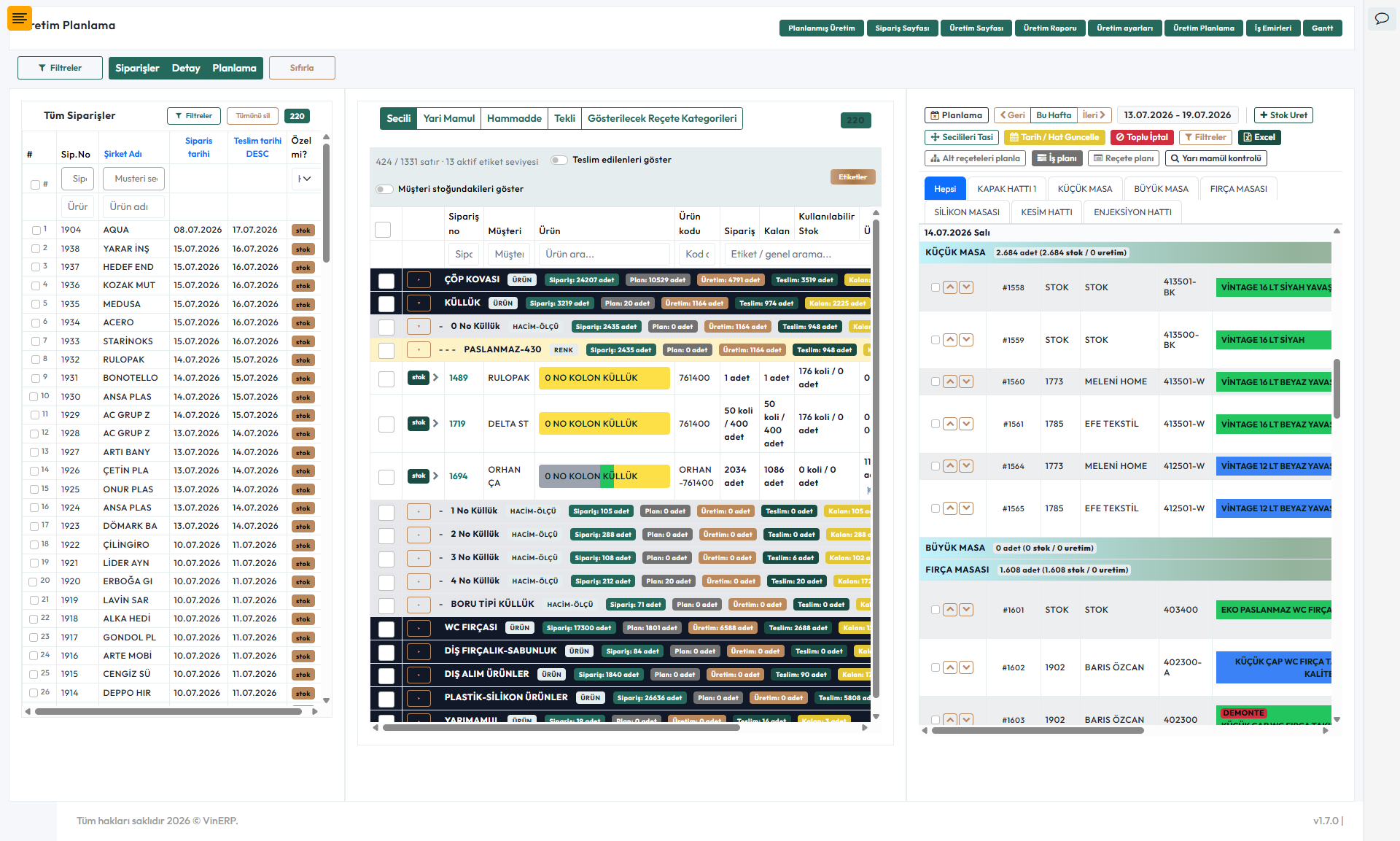
A manufacturing case study showing how disconnected sales, stock, purchasing and finance workflows were moved into a documented ERP foundation.
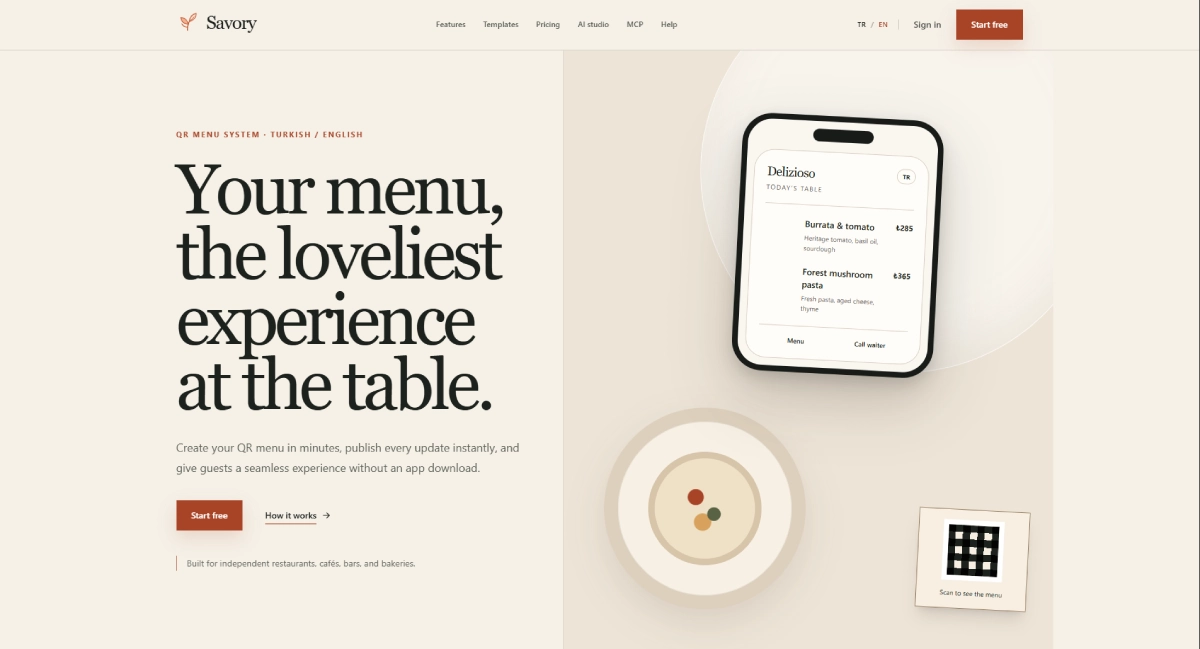
Savory Cafe is a multi-tenant digital management platform for F&B businesses. It delivers real-time order processing, catalog operations, dynamic entitlements, and location-aware spatial services with PostGIS for seamless cafe and restaurant management.
The exact artifacts depend on the project, but ownership, acceptance and handover are agreed before implementation expands.
Follow a representative record through users, decisions, exceptions and existing systems.
Agree authoritative data, permissions, integrations, acceptance criteria and explicit exclusions.
Deliver the smallest complete path, test the important rules and review it with representative data.
Provide the agreed source, deployment and operational material, then confirm who owns routine support.
A representative quote, order, stock exception or integration failure is enough to begin. I will use it to ask focused questions about scope and fit.